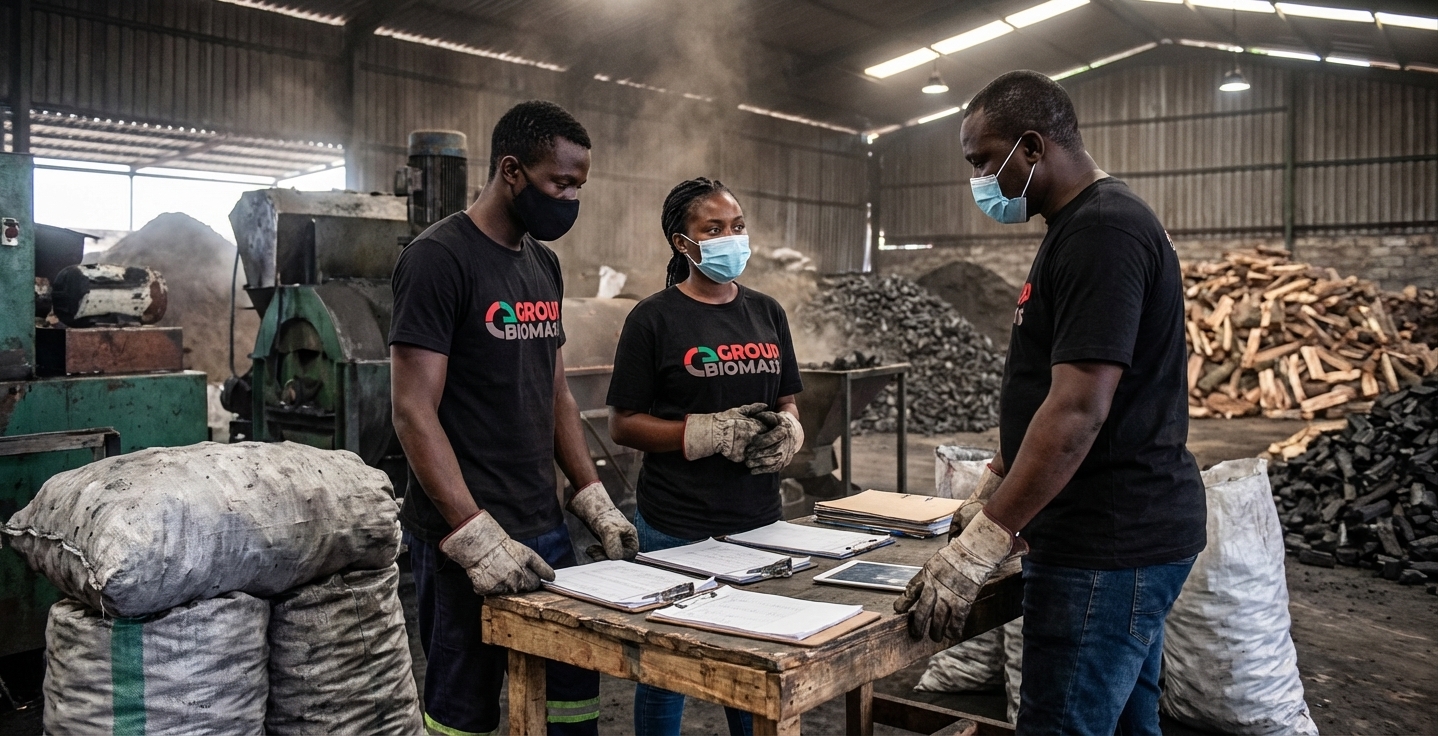
Deep within the country, a significant facility stands as a representation to the rising demand for biomass. This commercial complex, reportedly the region’s biggest wood factory , is drawing attention for both its size and the potential environmental consequences . While creating jobs for nearby communities, the factory's operations are triggering questions about sustainable forest management and the future health of Cameroon’s forests .
Premium Lump Carbon Shipment Boom: Cameroon’s Emerging Player
Cameroon is seeing a substantial surge in quality lump carbon exports, positioning itself as a major nation in the global industry. Thanks to growing demand from European United States and Asian countries, the nation’s production of this sustainable fuel is rapidly increasing, offering promising opportunities for regional farmers and strengthening the country's prosperity. The priority on sustainably sourced hardwood lump carbon is showing to be a essential element in gaining international investors.
Inside Cameroon’s Hardwood Lump Charcoal Factory: Production & Sustainability
Stepping into a average Cameroon forest lump fuel factory uncovers a remarkably straightforward method of manufacturing. Raw hardwood, often collected from responsible woodlands, are thoroughly cut and carried to a furnace. Here, the wood is gradually cooked with minimal oxygen, a procedure that changes it into granular charcoal. While the established methods used can be difficult, increasingly modern factories are incorporating better systems and pursuing ways to improve the productivity and nature conservation. This encompasses hardwood lump charcoal factory in Cameroon allocating in renewable energy and implementing strict scrap handling plans.
The Charcoal Trade : A Significant Contributor in International Exports
Despite mounting environmental concerns , Cameroon’s wood charcoal sector remains a surprising and vital player in the global export landscape. The creation of charcoal from trees is a important source of income for countless of local families , particularly in underserved regions . This activity generates a substantial quantity of charcoal destined for foreign destinations , often fueling energy needs in other regions, though this dependence creates challenges relating to deforestation and responsible tree protection.
Le Choix Contre Charbon de Bois Massif en Bois Dur et Les Briquettes: Une Perspective Camerounaise
Au le pays, le sélection entre le charbon de bois dur massif et les briquettes soulève une matière. Traditionnellement, , le combustible de bois dur a été privilégié en son saveur typique et son aptitude à donner une chaleur élevée , appropriée afin de la grillades locales . Toutefois, les briquettes , plus faciles de acquérir et plus chères , gagnent à popularité , particulièrement auprès les zones modernes.
Green Charcoal Creation : The Trajectory of Cameroon Forest Sector
The conventional method of charcoal production in Cameroon presents a major problem to its valuable hardwood woodlands . However, new sustainable practices offer a hopeful path forward. These include technologies like biomass waste conversion and efficient earth kilns , which reduce deforestation, cut emissions, and create livelihood opportunities for local populations . Embracing these sustainable methods is critical to protecting Cameroon's biological heritage and securing the long-term future of its hardwood sector while tackling climate concerns.